Whole-Body Cryotherapy Explained: Benefits, Costs, and Results

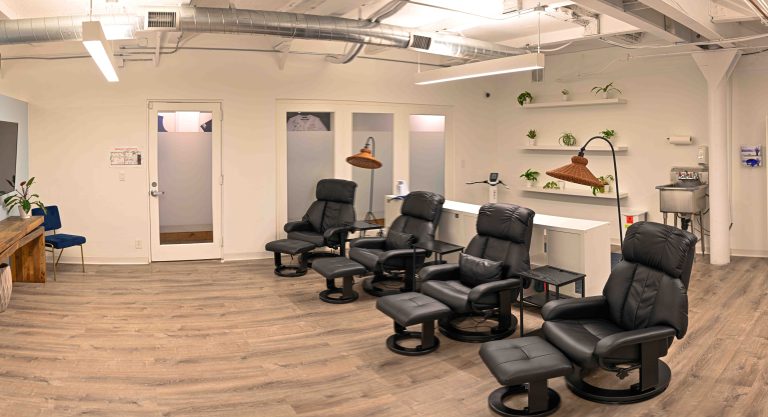
Whole-body cryotherapy has moved from elite training centers and recovery clinics into mainstream wellness. A decade ago, most people first heard about it through professional athletes stepping out of futuristic-looking chambers in hats, gloves, and socks, wrapped in fog, claiming they felt fresher, looser, or less sore. Now it shows up in neighborhood recovery studios, med spas, physical therapy practices, and franchise wellness chains.
That popularity has created a predictable problem. The experience is easy to market, but harder to explain well. People hear phrases like “cold shock,” “reduced inflammation,” and “faster recovery,” yet few get a clear picture of what actually happens in the chamber, what the evidence supports, what a session costs, and what kind of results are realistic.
Cryotherapy can be useful. It can also be oversold. The difference matters, especially if you are paying out of pocket and trying to decide whether to book one session, buy a package, or skip it entirely.
What whole-body cryotherapy actually is
Whole-body cryotherapy is a short exposure to extremely cold air, usually lasting between two and four minutes. Depending on the device, the chamber may cool the body with refrigerated air or with vaporized nitrogen used around the chamber environment. Temperatures often fall somewhere between about minus 110 degrees Fahrenheit and minus 250 degrees Fahrenheit, though the exact number varies by machine type, operator, and marketing style. Those numbers sound brutal, but they do not feel the same as being outdoors in subzero weather or sitting in an ice bath. The air is dry, the exposure is brief, and your skin is protected at the most vulnerable points.
Most sessions require minimal clothing, usually shorts and a sports bra or similar attire, plus dry socks, gloves, slippers or clogs, and ear protection. Jewelry, damp clothing, and sweat are usually discouraged because moisture changes how the cold feels and can increase the risk of skin injury.
The goal is not to freeze tissue. It is to create https://edwinqszt356.inkharbory.com/posts/what-is-cryotherapy-a-beginner-s-guide-to-cold-therapy an intense, short-lived cold stimulus that triggers a physiological response. Your skin temperature drops quickly. Blood vessels near the surface constrict. Many people feel a burst of alertness, a jolt of adrenaline, and then a warming rebound after they leave the chamber. That rebound is one reason some users say they feel energized rather than sluggish afterward.
There are two common formats. A single-person cylindrical unit often leaves the head above the chamber rim, while a whole-room cryo chamber exposes the body and head to cooled air in an enclosed space. From a user’s perspective, both aim at the same broad effect, though the feel can differ.
Why people use it
The most common reason people seek cryotherapy is recovery. Athletes use it after hard training blocks, runners use it after races, and recreational lifters book sessions after demanding workouts that leave them sore for a day or two. Others use it for pain management, stiffness, general wellness, or the simple mental lift that often comes after an intense cold exposure.
That range of uses is part of the confusion. A person with delayed onset muscle soreness after heavy squats is looking for something different from a person with chronic joint pain, and both are different from someone hoping a few cold sessions will lead to significant fat loss. The chamber is the same, but the expected result should not be.
In practice, the people most satisfied with cryotherapy tend to have a specific reason for using it. They want to feel less sore before the next training day. They want a short-term drop in pain intensity. They want a ritual that makes them feel alert and mobile. People who go in expecting a dramatic body transformation, a cure for systemic disease, or permanent pain relief after one or two visits usually come away disappointed.
What happens in the body during a session
The body responds to sudden cold as a stressor. Skin receptors detect the temperature drop almost immediately. Blood flow shifts away from the skin surface. The sympathetic nervous system, the system associated with alertness and “fight or flight,” becomes more active. This can raise norepinephrine and contribute to the clear-headed, switched-on feeling many people report right after a session.
Cold exposure can also blunt pain temporarily. Part of that is straightforward. Cooler tissue and altered nerve signaling can reduce the sensation of soreness or tenderness, at least for a while. Some people experience a reduction in swelling or a perception that joints move more freely afterward. There is also a mood component. Intense cold can feel unpleasant in the moment, but many users step out with a strong sense of relief and vigor, not unlike the effect some people get from a plunge pool.
That does not mean every internal claim made around cryotherapy is equally established. The jump from “cold can change how you feel in the short term” to “this treatment broadly detoxifies the body, melts fat, and resets inflammation” is where marketing tends to outrun evidence.
The benefits that are most plausible
The strongest case for whole-body cryotherapy is in short-term symptom relief and perceived recovery. That may not sound glamorous, but it is often exactly what active people want.
For muscle soreness, cryotherapy appears most helpful when soreness is the problem and not an actual injury. A person finishing a high-volume leg session may still be tender the next day, but they might feel less heavy and stiff after a chamber visit. In real-world settings, that can make it easier to get through the next workout, return to work on your feet, or simply move without that familiar post-training ache.
For pain, the picture is mixed but practical. Some users with osteoarthritis, chronic back pain, or inflammatory conditions say the cold gives them a temporary reduction in discomfort. Temporary matters here. Relief lasting a few hours or a day can still be meaningful, especially for someone trying to stay active, but it is different from long-term disease modification.
For mood and energy, many first-timers are surprised by the immediate lift. The session is short, intense, and stimulating. If you walk in feeling flat, it can leave you feeling more awake. Studios often describe this as an endorphin effect. That is plausible, though the experience varies. Some people genuinely love it. Others simply feel cold and slightly irritated for three minutes, then normal again.
For mobility, there is a common pattern I have seen in recovery settings. People who arrive feeling “puffy,” stiff, or beat up sometimes move better afterward, particularly if the cryotherapy is paired with light movement, stretching, or compression boots. Whether the chamber alone deserves all the credit is harder to separate, but the combination often feels effective to the user.
What cryotherapy probably will not do
This is where realistic expectations matter most. Cryotherapy is not a shortcut to major fat loss. Yes, the body expends energy in response to cold, but the calorie burn from a brief session is not large enough to treat as a meaningful weight-loss strategy. If a studio promises that you can stand in a chamber for three minutes and see substantial body fat reduction without changing anything else, take that as a marketing claim, not a serious plan.
It is also not a replacement for rehabilitation. If you have a true injury, such as a hamstring strain, rotator cuff issue, ligament sprain, or nerve problem, cryotherapy may help with pain perception, but it does not correct mechanics, rebuild strength, or restore joint control. At best, it can complement a proper rehab program.
Claims about immunity, detoxification, anti-aging, or hormone optimization should be handled carefully. Cold exposure is biologically active, but broad wellness claims are often based on extrapolation, personal testimony, or weak evidence. That does not make the experience useless. It simply means the practical value is narrower than the broadest advertisements suggest.
How quickly you feel results, and how long they last
One reason cryotherapy remains popular is that the effects, when they happen, are often immediate. A good number of users feel the result within minutes. They leave the chamber more alert, less sore, or mentally reset. That quick feedback is powerful. It is also one reason the service sells well even when long-term data remains limited.
The harder question is durability. For many people, the biggest changes are short-lived. Pain relief may last a few hours or through the rest of the day. Reduced soreness might carry into the next morning. Some regular users report cumulative benefit when sessions are repeated two or three times per week during periods of hard training or flare-prone pain, but even then, the effect usually supports function rather than permanently changing the underlying problem.
The response also depends on timing. Someone who uses cryotherapy within a day of a punishing workout may feel a noticeable difference. Someone who books a random midweek session without a specific recovery need may enjoy it but struggle to identify a concrete result.
What a session feels like
People often assume whole-body cryotherapy will feel like an unbearable ice storm. Usually it does not. It is intensely cold, but because the air is dry and the exposure is so short, the discomfort is sharp rather than deeply penetrating. The first 20 to 30 seconds are often manageable. The middle stretch is when most people start questioning why they signed up. The final minute can feel either tolerable or very long, depending on your tolerance and the actual chamber conditions that day.
Staff typically ask you to rotate slowly so your body is evenly exposed. Good operators maintain clear communication, watch for distress, and end the session if needed. Afterward, most people warm quickly once they move around. Some feel almost euphoric. Others just feel relieved it is over. Both responses are normal.
The session experience also depends a great deal on the facility. A clean, well-run studio with attentive staff, clear screening, and consistent procedures feels very different from a place rushing clients through with minimal oversight. With cryotherapy, the operator matters more than many people realize.
What it costs
Pricing varies widely by city, setting, and business model. In many U.S. Markets, a single whole-body cryotherapy session falls somewhere around $30 to $80. In higher-end wellness clinics or premium urban studios, it can run higher. Package pricing often lowers the per-session cost, sometimes bringing it into the $20 to $50 range if you commit to multiple visits or a monthly membership.
A few factors drive the price. One is the equipment itself, which is expensive to buy, maintain, and insure. Another is staffing and real estate, especially in boutique recovery spaces. The third is bundling. Many businesses do not sell cryotherapy as a standalone service for long. They pair it with infrared sauna, red light therapy, compression, or contrast therapy and encourage memberships.
Here is a realistic way to think about the cost question:
| Purchase style | Typical price range | Best for | |---|---:|---| | Single session | $30 to $80 | First-timers, occasional use | | Small package | $25 to $60 per session | Athletes in a hard training block | | Membership | Varies widely, often lowers per-visit cost | Regular users who already know they benefit |
If you are curious but unconvinced, paying for one session is the sensible move. If you clearly feel better after it and can tie that improvement to a practical outcome, such as training better the next day or reducing pain enough to stay active, then package pricing may make sense. If you are mostly attracted to the novelty, the membership route can become an expensive wellness habit with thin returns.
Who tends to benefit most
Cryotherapy seems to deliver the clearest value for a fairly specific group of people. It is not universal, and that is fine. Treatments do not need to work for everyone to be worthwhile.
- Athletes and active adults dealing with short-term soreness or heavy training fatigue
- People who get reliable temporary pain relief from cold-based therapies
- Clients who want a fast recovery ritual and respond well to stimulating treatments
- Individuals using it as one piece of a broader plan that includes sleep, training, rehab, and nutrition
- Experienced users who have already tested it and know their own response
The common thread is that these people are looking for support, not miracles. They understand what problem they are trying to solve, and they can tell whether the chamber helps.
Who should be cautious or avoid it
Whole-body cryotherapy is not appropriate for everyone. Any facility worth trusting should screen carefully before the first session. Conditions that affect circulation, sensation, or cold tolerance deserve special attention. So do uncontrolled cardiovascular issues.
People with uncontrolled high blood pressure, serious heart disease, certain arrhythmias, poor circulation, cold hypersensitivity, cold urticaria, Raynaud’s phenomenon, neuropathy, open wounds, or significant respiratory issues should not treat cryotherapy as a casual wellness add-on. Pregnancy is also commonly treated as a reason to avoid or postpone treatment unless a qualified medical professional specifically advises otherwise.
Even for healthy users, common sense matters. If your skin is damp, if you have recently shaved sensitive areas, or if you are already chilled to the bone, the session will likely feel much harsher. If a facility seems lax about screening or protective gear, leave.
The difference between cryotherapy and an ice bath
People often compare whole-body cryotherapy with cold-water immersion, and the comparison is useful because the two are not identical. An ice bath usually exposes more of the body to cold more deeply because water transfers heat far more efficiently than air. It is often longer, typically several minutes or more. It also tends to feel heavier and more physically demanding.
Cryotherapy, by contrast, is shorter, drier, and often easier to tolerate psychologically for people who hate getting submerged. It feels dramatic, but many first-time users are surprised to learn they prefer it to a tub full of ice water. On the other hand, people who want the strongest direct cooling effect on tissue may find cold-water immersion more convincing.
There is also the practical angle. Ice baths can be done at home with enough commitment and setup. Whole-body cryotherapy usually requires a paid visit to a specialized facility. That convenience gap matters when deciding whether the premium is worth it.
A detail athletes sometimes overlook
There is an ongoing discussion in sports science about how aggressive recovery methods fit with training adaptation. If your goal is to maximize muscle growth or some aspects of adaptation to strength training, constantly blunting the body’s response to training stress may not always be ideal. Recovery and adaptation are related, but they are not the same thing.
That does not mean cryotherapy is “bad for gains.” It means context matters. During a competition block, tournament weekend, dense travel schedule, or repeated event setting, reducing soreness and feeling fresher can be extremely valuable. During an off-season muscle-building phase, using intense recovery tools after every single session may deserve a more strategic approach. Good coaches and therapists often time these tools instead of applying them reflexively.
How to judge whether it is working for you
This sounds simple, but many people skip it. They buy a package because the room feels high-tech and the branding is slick, then never ask whether the treatment changed anything meaningful.
A useful test is to tie the session to one specific outcome. Did your soreness drop enough to train normally the next day? Did knee discomfort fall from a six out of ten to a three for the rest of the evening? Did your sleep improve, or did you simply feel briefly energized in the lobby and then forget about it? If the answer is vague every time, the value may be more entertainment than recovery.
If you decide to experiment, keep it structured for a couple of weeks. Try a session after your hardest workout day. Notice what changes over the next 24 hours. Then compare that to a similar training day without cryotherapy. Personal response matters here more than hype.
How to prepare for your first session
The first visit goes better when you know the basics. You do not need to do much, but small details affect comfort and safety.
- Arrive dry, especially your skin, socks, and undergarments
- Remove metal jewelry and avoid lotions on the treatment area
- Eat normally beforehand rather than showing up lightheaded or depleted
- Tell staff about medical conditions, medications, and any past reaction to cold
- Wear the protective gear exactly as instructed, even if it looks excessive
Those steps are not glamorous, but they prevent the most common problems. A surprising number of bad first experiences come down to damp skin, poor screening, or a rushed explanation.
What a fair expectation looks like
A fair expectation is not “three minutes in a chamber will transform my health.” A fair expectation is more like this: “I may feel less sore, more alert, and more comfortable moving for several hours, and if that happens consistently, the treatment may be worth using at selected times.”
That may sound modest, but modest is often how effective recovery tools actually work in real life. Most people do not need miracles. They need enough relief to keep training, working, or functioning without feeling wrecked. For the right user, cryotherapy can provide exactly that.
The caveat is cost. Because results are often short-term, value depends on what that short-term relief is worth to you. If a session helps a competitive athlete perform better the next day, the cost may feel trivial. If it gives a desk worker a brief burst of energy and little else, it may feel unnecessary.
The bottom line on cryotherapy
Whole-body cryotherapy sits in an interesting middle ground. It is neither nonsense nor magic. It is a legitimate cold-exposure therapy that can help some people with soreness, short-term pain relief, and a sense of recovery. It is also easy to oversell because the chambers look dramatic, the sessions are memorable, and users often feel something right away.
The smartest way to approach it is with a narrow question: what problem am I trying to solve, and did this help? If your answer is yes, repeatedly and specifically, cryotherapy may deserve a place in your routine. If your answer is vague, expensive novelty is probably a better label than essential recovery tool.
That is not a criticism. Plenty of wellness practices live in that gray area between medicine, performance support, and ritual. Cryotherapy earns its place when it provides reliable practical benefit, not because it looks futuristic or promises more than cold can honestly deliver.
SDBody Mission Hills
Address: 1747 Hancock St Ste C, San Diego, CA 92101
Phone number: +16197720252
FAQ About Cryotherapy
What does cryotherapy do for your body?
Cryotherapy exposes the body to extremely cold temperatures for a few minutes to trigger natural healing and recovery responses.
What are the negatives of cryotherapy?
The primary negatives of cryotherapy include skin burns, frostbite, temporary nerve irritation, and temporary spikes in blood pressure caused by extreme cold.
How much does cryotherapy typically cost?
A single session of non-medical cryotherapy typically costs between $40 and $100. However, prices vary significantly depending on the specific type of treatment, your location, and whether you purchase a membership or package.